 01
Termite Inspection
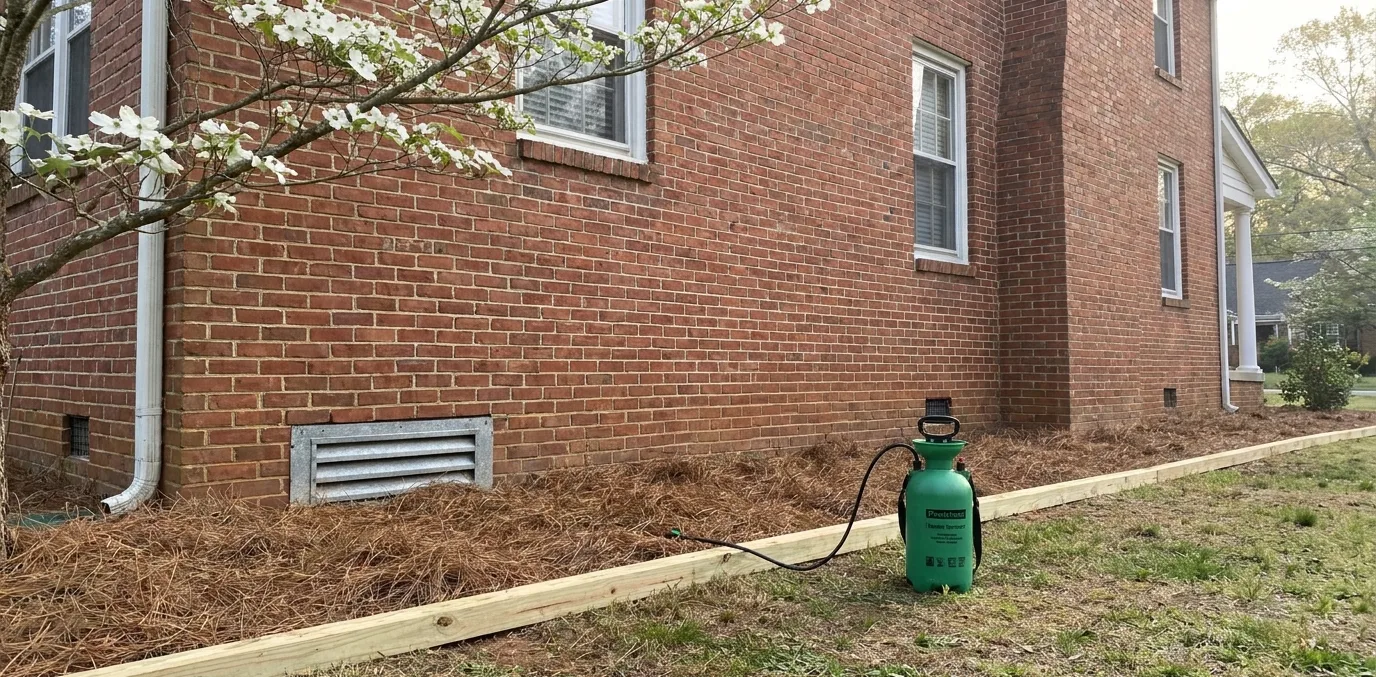
Mud tubes along foundations, hollow sounding wood, and discarded wings near windows are examined first. Soil moisture around the perimeter is measured because termites need contact with the ground to survive.

Pest control · the USA
First TVA Pest Control performs inspections and treatments for common household pests on properties nationwide. Technicians focus on locating nests, trails, and access points rather than applying blanket applications.
Technicians examine foundations, siding, and utility penetrations for gaps that allow insects and rodents to enter structures.
Standing water and damp wood are checked because many pests require moisture to establish colonies and forage.
Products are placed only at active trails or nests after the inspection maps the full extent of activity.
Each service begins with an inspection that identifies the pest, the extent of activity, and conditions supporting the infestation. Treatments follow the findings rather than a fixed schedule of products.
01Mud tubes along foundations, hollow sounding wood, and discarded wings near windows are examined first. Soil moisture around the perimeter is measured because termites need contact with the ground to survive.
 02
Droppings, gnaw marks on wires or baseboards, and grease trails along walls are mapped. Entry points at pipe chases and foundation cracks receive attention before any placement of stations.
 03
Mounds are located by probing soil near sunny edges of pavement and structures. Bait is applied to foraging trails once the colony size and satellite mounds are recorded.
 04
Sewer access points, under-sink voids, and behind appliances are inspected for egg cases and fecal spotting. Gel placements target harborages rather than open floor areas.
 05
Mattress seams, box spring fabric, and baseboard gaps receive close visual checks. Interceptors are placed under bed legs to confirm activity levels before any material is introduced.
 06
Webs in corners, under eaves, and along window frames are noted along with prey insect presence. Cracks that allow entry from exterior vegetation are sealed after the inspection.
 07
Damp areas in bathrooms, attics, and behind wallpaper are checked for cast skins and irregular feeding damage on paper goods. Ventilation adjustments are discussed when humidity supports populations.
 08
Pet resting areas, carpet edges, and soil under porches are sampled for larvae and pupae. Host animal access points from neighboring yards are identified during the property walk.
Dark droppings behind appliances, mud tubes along foundation walls, or small winged insects near light fixtures indicate an active pest presence. Homeowners can safely lift loose items in the garage or laundry room to check for trails without disturbing the main nest or runway. Noting the time of day when activity is highest helps technicians plan the inspection route.
Seasonal cues such as spring swarms or fall migrations into structures also signal the need for a visit. Recording which rooms show the most evidence prevents overlooking secondary sites that share the same moisture source or entry route.
Limit disturbance by avoiding vacuuming or wiping visible droppings until the inspection occurs. These signs help technicians determine the exact travel paths and nesting locations. Move pets to a separate room and note any recent changes in humidity or new stored items that might have introduced the pests.
Open windows only if outdoor temperature and wind will not spread activity further. Keep a simple list of affected rooms and the approximate date when signs first appeared to share during the on-site walk-through.
The sequence starts with a full property walk and ends with placement of materials only at confirmed activity sites. Each step builds on the previous findings to avoid unnecessary product use.
Foundations, rooflines, and vegetation are checked for trails, tubes, and access gaps while soil moisture is measured at multiple points around the structure.
Rooms are inspected in order from highest to lowest moisture, recording droppings, webs, and harborages on a diagram that shows connections between spaces.
Stations, gels, or baits are installed only along mapped routes. Locations are chosen to intercept foraging insects or rodents before they reach living areas.
Return visits confirm whether activity has declined at the original sites and whether new entry points have opened due to weather or occupant changes.
Technicians begin at the exterior perimeter, checking soil contact points, utility entries, and vegetation touching siding. Interior work follows a consistent route through kitchens, bathrooms, and utility spaces where moisture and food residues concentrate. Every finding is recorded on a diagram that shows both active and potential problem areas.
After the walk-through, the chosen products or devices are placed only at confirmed locations. Follow-up visits focus on whether those placements interrupted the trail or colony rather than re-treating the entire structure.
Damaged baseboards or insulation are evaluated for whether sealing the entry point will stop further intrusion or whether the material itself must be removed because it already harbors eggs or nests. Technicians note load-bearing elements separately from cosmetic surfaces so homeowners can prioritize work.
When wiring shows gnaw marks, the immediate step is to isolate the circuit and schedule an electrician before any pest treatment continues. This sequence prevents repeated visits to the same damaged area.
The type of pest determines the number of visits required because some colonies need multiple bait cycles while others respond to a single perimeter application. Property size and construction details also affect time on site since older homes with multiple additions require longer inspections to locate all connecting voids.
Moisture conditions and the presence of secondary pests can extend the initial visit because additional harborages must be addressed at the same time. Seasonal timing influences scheduling because spring swarming or fall migration periods often coincide with higher demand for the same treatment materials.
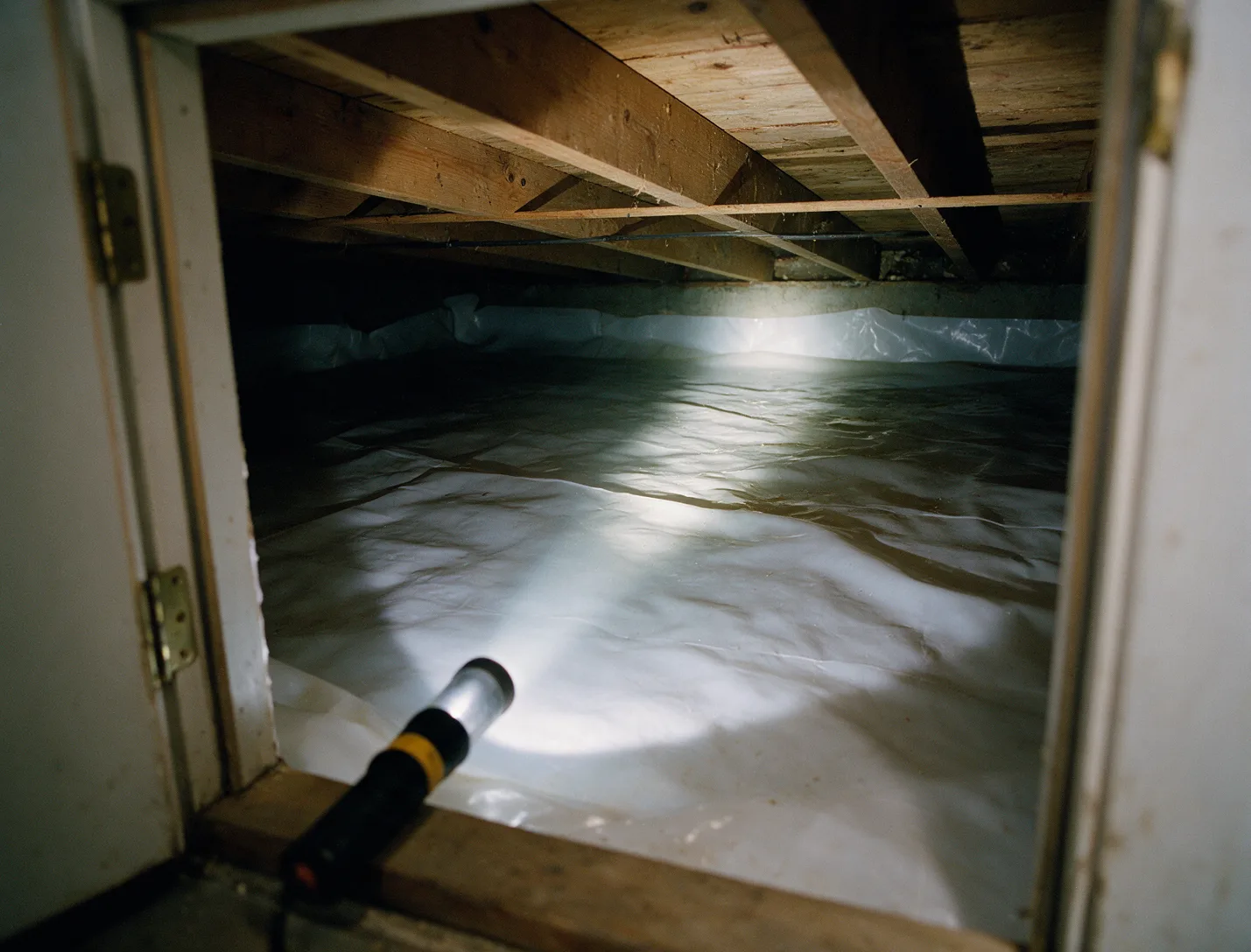
Older construction often contains multiple layers of siding and original plumbing that create hidden voids. Inspections therefore include attic and crawl space access points that later additions may have covered. Rental units receive extra attention to shared walls and utility chases that connect neighboring units.
Documentation of existing damage helps property managers schedule repairs between tenants. Treatments focus on common areas first so that individual units receive targeted follow-up only if activity persists after the initial placement.
Placement follows the inspection diagram that shows active trails and harborages. Only those locations receive material so that foraging pests encounter it on their normal routes rather than in random areas.
Do not vacuum droppings or wipe away grease marks because these signs help map travel paths. Moving large appliances is also unnecessary since technicians check behind them during the standard route.
High humidity supports many pests so technicians measure damp areas and note ventilation issues. Reducing standing water or improving airflow is often discussed alongside product placement to limit future activity.
Shared walls and utility chases are inspected first because activity can move between units. Documentation focuses on common areas so that property managers can coordinate access across multiple tenants.
A follow-up visit checks whether the original placements remain effective or if weather or new items introduced fresh activity. Additional placements are added only at the new confirmed sites.
Multiple layers of siding and covered crawl spaces require extra time to locate hidden voids. Attic access and original plumbing runs are checked because they often connect to later additions.
First TVA Pest Control inspects properties across the USA and places materials only at confirmed pest locations after mapping entry points and moisture sources.